
Homeowners often compare permanent lighting systems with standard LED or RGB lights when they want year-round outdoor illumination. The biggest difference is how each system produces white light. Standard RGB lights create white by blending red, green, and blue LEDs. More advanced systems include dedicated white LEDs for a cleaner, more natural appearance.
For example, Gemstone Lights uses RGBWW technology, combining red, green, blue, warm white, and cool white LEDs. This allows homeowners to enjoy vibrant colors along with a full range of true white lighting, making the system just as practical for everyday use as it is for holidays. For homeowners in RadGlow’s local service area, a lighting professional can assess the home’s trim, roofline, and preferred lighting style before installation.
What Makes RGBWW Permanent Lighting Different From Standard LED Lights?
Permanent lighting usually means weather-resistant LED nodes or fixtures installed along rooflines, eaves, patios, garages, and other architectural features. Because the system stays in place all year, it needs durable components, protected connections, and a clean daytime appearance.
Standard white LED lights produce one fixed white tone. That tone may be warm, neutral, or cool, depending on the product. Standard RGB lights use red, green, and blue LED chips to mix changing colors. When all three RGB chips run together, they create a version of white.
Advanced permanent lighting systems such as Gemstone Lights use RGBWW technology, which includes dedicated warm white and cool white LEDs in addition to the traditional red, green, and blue LEDs. This allows homeowners to select everything from approximately 2800K warm white for a cozy appearance to 6000K bright white for maximum visibility, along with a crisp 4000K cool white for modern architectural lighting. Dedicated white LEDs produce a cleaner, more natural appearance than white created by mixing RGB colors alone.
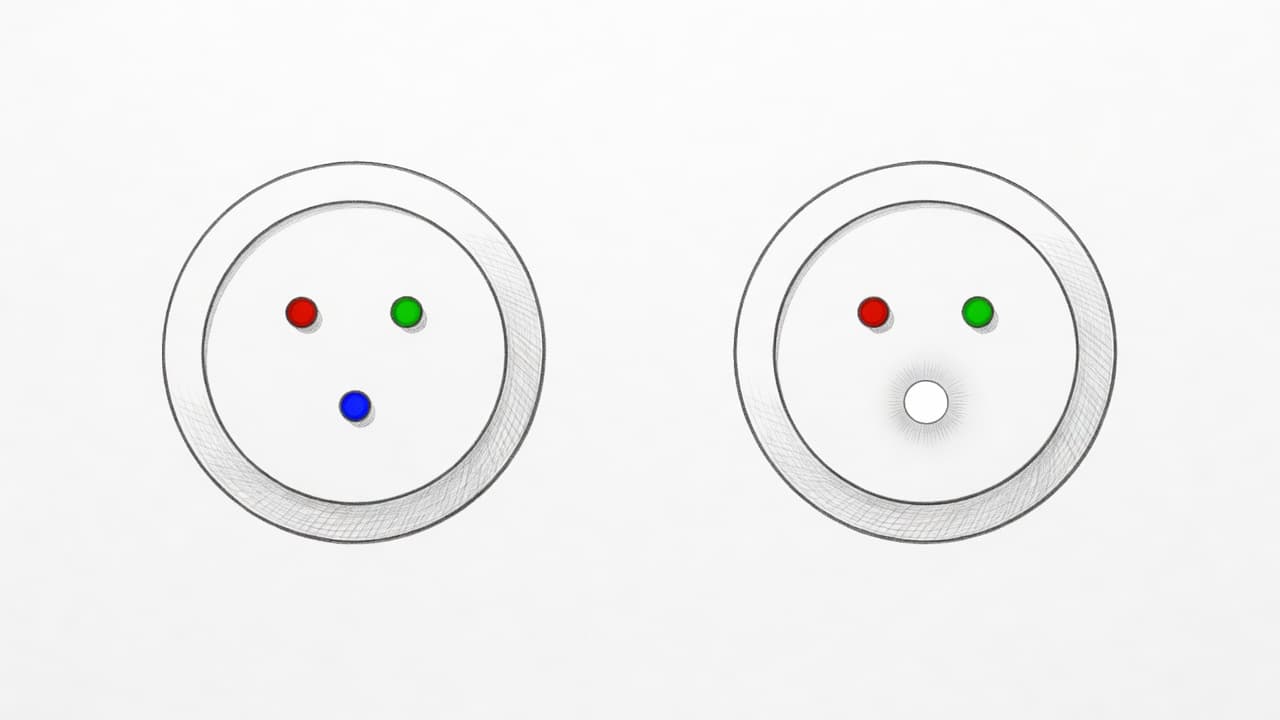
Dedicated White LEDs Create Cleaner, More Useful Light
Simulated white works well enough for a short holiday effect. However, it often looks harsh when it lights a home’s roofline, patio, walkway, or landscaping for hours at a time.
Dedicated warm and cool white LEDs give exterior details a more polished look. Warm white can soften a porch area, make garage trim more visible, and provide pleasant light for a backyard gathering. When brighter illumination is preferred, homeowners can switch to cool white for a crisp, modern appearance.
The dedicated white channels also help create gentler pastels. Instead of relying on intense red, green, and blue blends, advanced systems can mix white into color scenes for softer shades.
Dedicated warm and cool white lighting turns permanent lighting into an everyday home feature, not only a holiday decoration.
Dedicated White Lighting Adds More Everyday Flexibility
The hardware difference affects the entire system. Standard RGB lights use three controllable channels for red, green, and blue. Systems with dedicated white LEDs require controllers designed to manage the additional lighting channels.
Premium systems like Gemstone Lights are engineered specifically for RGBWW operation, allowing homeowners to seamlessly switch between vibrant colors and multiple shades of true white while maintaining reliable performance across every lighting zone.
How RGBWW Permanent Lighting Compares With Standard RGB Systems
RGB systems are a solid choice for bold colors, simple patterns, and occasional holiday displays. RGBWW systems are more flexible when you want clean white light most nights and color scenes for celebrations, game days, or seasonal decor.
| Feature | Standard RGB | Advanced RGBWW Systems |
|---|---|---|
| White-light quality | Mixed from red, green, and blue | Produced by dedicated warm and cool white LEDs |
| Color effects | Bright, saturated color scenes | Saturated colors plus softer pastels |
| Everyday use | Best for decorative effects | Better suited to daily architectural lighting |
| White color options | Limited to simulated white | Warm white, cool white, and bright white options |
| Weather protection | Depends on product and installation | Depends on product and installation |
| Brightness | Varies by system | Varies by system and installation design |
Both options can offer app controls, timers, dimming, zones, and preset scenes. The finished result depends on the product quality and the installation plan, not the letters in the product name alone.
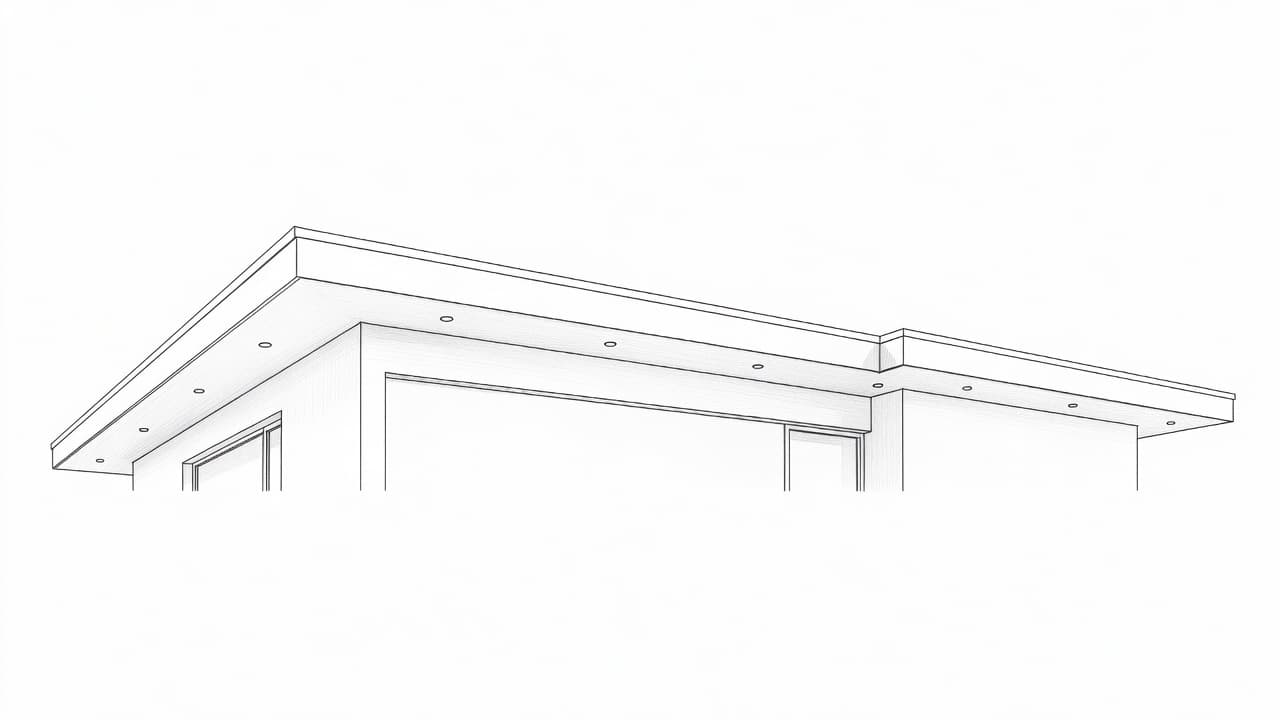
Why RGBWW Works Better for Everyday Home Lighting
A warm white scene can give a roofline a finished appearance on an ordinary evening. It can also add soft visibility near porch areas, decks, garages, trees, and walkways without the look of temporary string lights.
When brighter illumination is preferred, homeowners can switch to cool white or bright white to highlight architectural details or improve visibility around the property.
When a holiday or special event arrives, the same installed system can instantly switch to vibrant colors. That convenience eliminates the yearly cycle of hanging, removing, and storing seasonal lights.
For homeowners who want lighting on most evenings, RGBWW provides refined white lighting for everyday use and colorful displays for holidays and celebrations.
Understanding RGBW vs. RGBWW
Not every permanent lighting system is built the same. Standard RGBW systems include one dedicated white LED alongside the red, green, and blue LEDs. Premium systems such as Gemstone Lights use RGBWW technology, adding both warm white and cool white LEDs.
This design allows homeowners to choose a much wider range of true white lighting, from approximately 2800K warm white for relaxing evenings to 6000K bright white for maximum visibility, with a crisp 4000K cool white option in between. Because manufacturers use different technologies, it’s always worth asking exactly what white color temperatures a lighting system can produce before making a decision.
What to Consider Before Choosing Permanent Outdoor Lighting
The right system should fit the home’s architecture and the way you plan to use it. Roofline shape, trim color, node spacing, viewing angles, and brightness all affect the final appearance.
Also consider wire concealment, outdoor sealing, warranty coverage, maintenance, and future service. A permanent setup needs thoughtful power planning, especially on larger homes with several lighting zones.
An experienced local installer such as RadGlow can recommend a system that suits the property, local weather conditions, and the homeowner’s lighting goals.
Choose a System That Fits Both Your Home and Your Routine
Someone who wants a few holiday colors may need fewer features. A homeowner who wants daily white lighting, app control, scheduled scenes, separate zones, and holiday presets may benefit from an advanced RGBWW system.
Before choosing, ask these practical questions:
- What range of white color temperatures does the system offer?
- Can separate rooflines or lighting zones operate independently?
- How will the system be serviced if a node, controller, or power component needs attention?
Those answers often matter more than simply comparing the number of available colors.
Professional Installation Protects the Look and Performance
Permanent outdoor lighting should follow the home’s lines and stay discreet during the day. Proper installation includes accurate roofline measurements, tidy cable routing, weather-sealed connections, protected power components, and testing for every lighting zone.
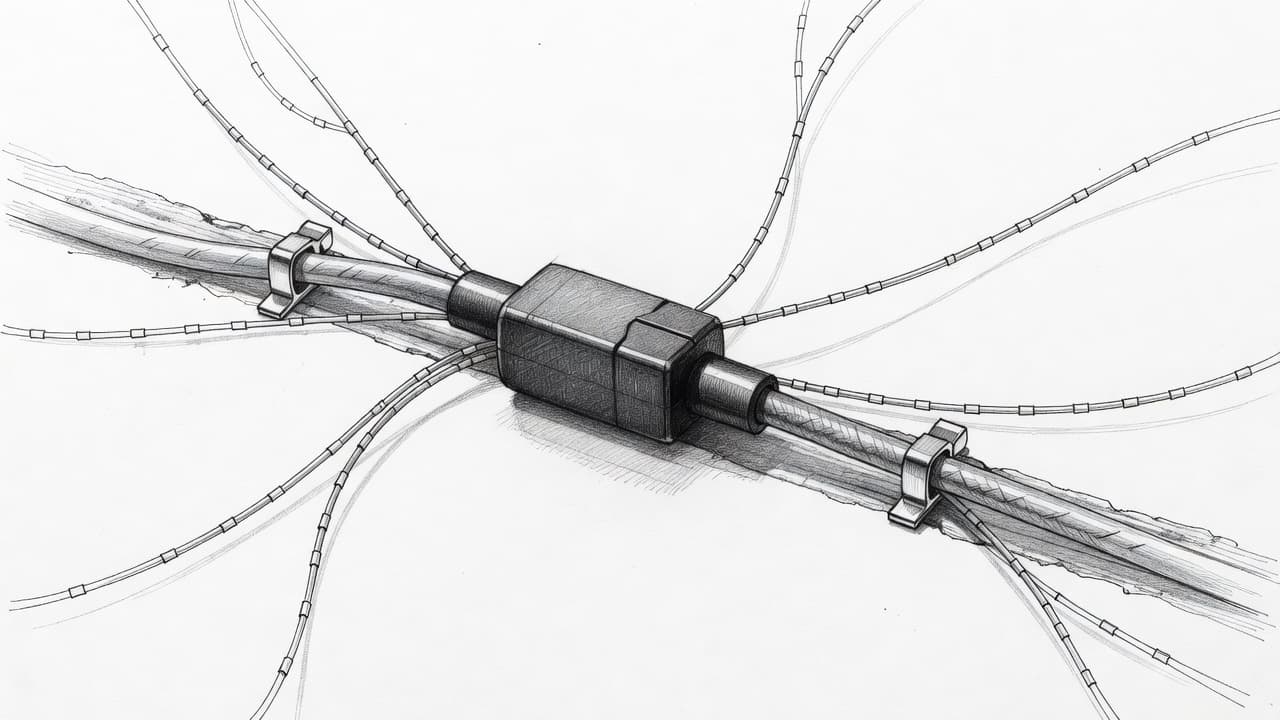
Temporary string lights can hide minor placement issues. Permanent lighting cannot. Contact RadGlow for a local consultation, system recommendations, and an installation plan built around your home.
The Better Choice for Year-Round Outdoor Lighting
Standard white LEDs provide one fixed white tone, while RGB lights mix red, green, and blue to create colors and simulated white. Advanced permanent lighting systems such as Gemstone Lights use RGBWW technology, combining red, green, blue, warm white, and cool white LEDs to deliver both vibrant colors and a broad range of true white lighting.
With approximately 2800K warm white, 4000K cool white, and up to 6000K bright white, homeowners can easily match the lighting to the occasion, whether that’s everyday curb appeal, entertaining, security lighting, or holiday displays. Call RadGlow to discuss your home, lighting goals, and permanent outdoor lighting installation options.