
A home can look entirely different after sunset. The right architectural lighting reveals its shape, improves curb appeal, and makes paths, patios, and entryways feel safer and more inviting.
Brighter bulbs alone rarely create that effect. A thoughtful plan uses focused layers of light to show off facades, landscaping, and outdoor living areas without harsh glare. Call RadGlow to discuss your property’s needs and confirm whether service is available in your area.
Use Architectural Lighting Ideas to Highlight Your Home’s Best Features
Good exterior lighting directs attention instead of flooding every surface. Start by identifying what gives your home character: a stone chimney, tall columns, a gabled roofline, wide siding, or detailed trim. Then use light to reveal those features after dark.
Wall washing works well on broad, smooth exterior surfaces. A fixture aimed across the wall produces an even glow and avoids bright spots. On stone, brick, or wood, use grazing. Place the fixture near the base of the wall so light skims across the texture and brings out its depth.
Uplights can draw the eye toward porch columns, dormers, or rooflines. Downlights tucked beneath eaves can softly illuminate walls and planting beds while keeping the source mostly out of view. Avoid placing every fixture at the same height. Light from several angles gives the facade a more natural sense of dimension.
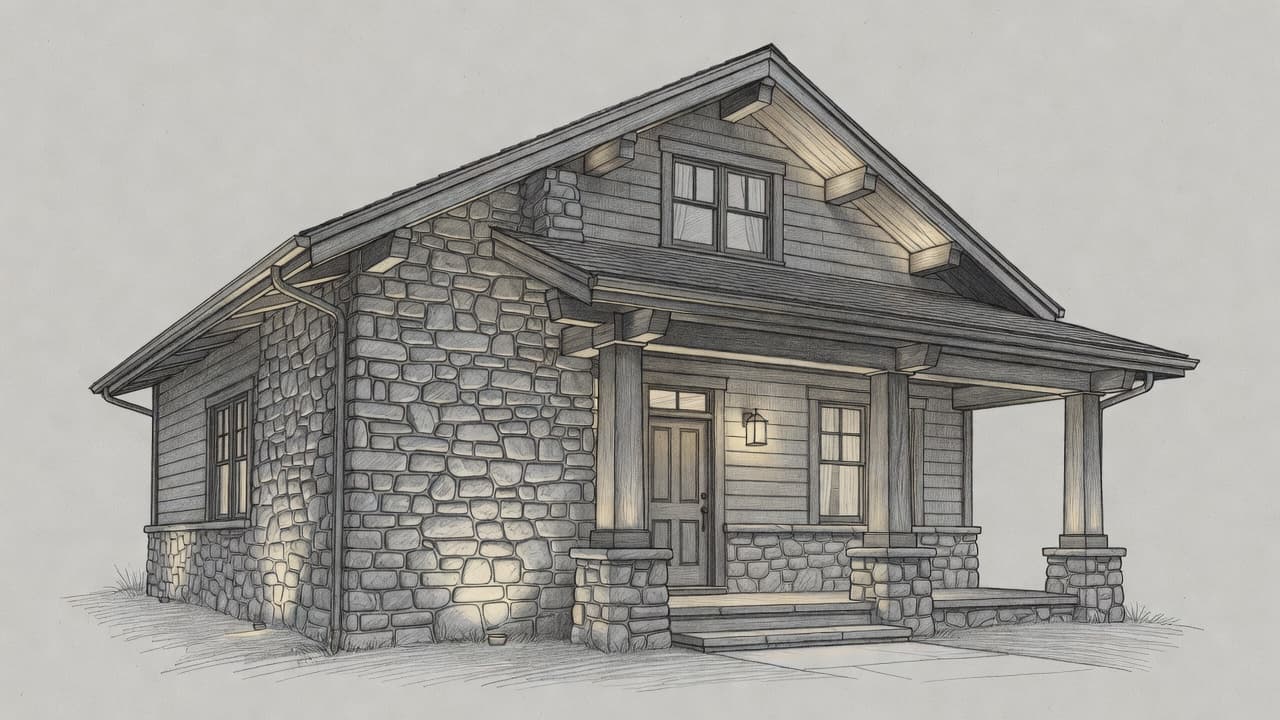 For most homes, warm white light around 2700K creates a comfortable residential look. A clean 3000K can suit contemporary siding, metal, and concrete when used consistently. Keep color temperatures similar within the same viewing area, or the house can look patchy at night.
Make the Entryway Feel Safer and More Welcoming
The front door needs enough light for guests to see steps, locks, house numbers, and changes in level. Wall sconces on either side of the door create balance, while a pendant can suit a covered porch. Recessed fixtures and step lights help where ceiling height or narrow stairs limit wall-mounted options.
Place fixtures to reduce shadows across faces and glare at eye level. Choose weather-rated products, then match the form to the house. Clean-lined fixtures fit a modern exterior, while lantern-style lights often suit traditional homes.
Add Depth With Walls, Windows, and Landscape Lighting
A few selected focal points create more depth than lighting every surface equally. Soft light on a tree trunk, window surround, shrub group, or textured wall gives the view from the street more shape. Path lights, spotlights, and low-voltage landscape fixtures can each play a role.
Keep the beam narrow for columns or small details. Use a wider wash for a broad planting bed or wall. Position fixtures with care so they don’t shine into neighbors’ windows or toward passing drivers. The goal is a composed nighttime view, not a row of visible bulbs.
Create a Complete Outdoor Lighting Plan, From the Driveway to the Patio
A complete outdoor lighting plan follows how you use the property at night. Start with arrival. Garage doors, driveway edges, gates, and the route to the front door should be easy to see without turning the property into a floodlit parking lot.
Next, light movement areas. Low path fixtures can guide a walk, while step lights make level changes easier to spot. Keep path fixtures low and spaced to create separate pools of light rather than a continuous bright strip. Side yards also deserve attention if you use them for trash bins, pets, or access to a gate.
Gathering spaces need a softer approach. Downlighting from a pergola, dimmable wall fixtures, and concealed lights beneath bench seating can make a patio or deck usable after dark. Where relevant, use properly rated fixtures around pools and water features. In the backyard, a small tree, garden wall, or sculptural planting can become a focal point beyond the seating area.
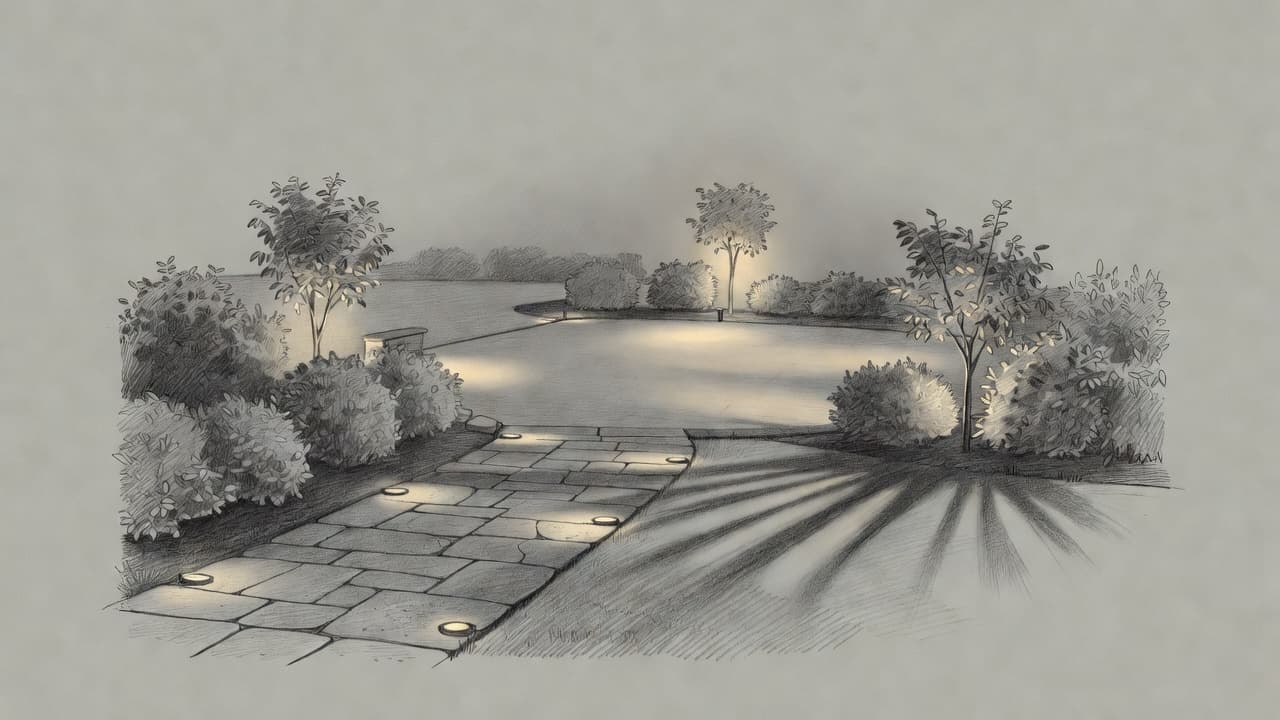 Layer ambient light for general visibility, task light for walking and cooking, and accent light for architectural detail. Timers and smart controls keep lights on only when needed. Dimmers adjust the mood for entertaining, while motion sensors can add visibility near garages and side entries. Low-voltage systems are useful for many landscape applications, provided the transformer and cable runs are sized correctly.
Choose Light Placement That Prevents Glare and Light Pollution
Fixture placement matters as much as fixture style. Shielded or concealed sources keep the light where you need it and keep the bulb out of direct sight. For paths, lower mounting heights work better than fixtures that cast light into people’s eyes.
Aim uplights away from common seated views and use indirect light near outdoor seating. Keep beams out of bedrooms, streets, and neighboring properties. Full-cutoff fixtures and careful aiming also reduce wasted upward light, which helps preserve the view of the night sky.
Balance Style, Safety, and Long-Term Reliability
Outdoor fixtures need weather-rated housings and durable finishes, such as brass or powder-coated aluminum. Plan cable routes so wires stay protected and accessible for future service. An appropriately sized transformer helps low-voltage fixtures perform consistently across the property.
LED fixtures use less energy than older lamp types and have long service lives. Still, consider maintenance before installation. Plants grow, seasons change, and a spotlight that looks right today may need adjustment after a shrub matures.
Know When to Call RadGlow for a More Polished Result
A lighting professional can look at the whole property before recommending fixtures. That includes the home’s architecture, existing electrical setup, sightlines, daily routines, and areas that feel unsafe or unfinished after dark.
Expert help can be useful when brightness looks uneven, glare reaches the street, wiring is exposed, or rooflines are difficult to light. It also helps when you want to improve an existing setup without adding unnecessary fixtures.
RadGlow is a convenient next step if you’d like to discuss architectural or outdoor lighting ideas, build a property-wide plan, or refine the lighting you already have. Call with photos, your project goals, and the areas you want to improve. During the call, confirm RadGlow’s current service area and available services.
Questions to Ask Before Booking a Lighting Consultation
Bring a short list of practical questions to the conversation:
- Which architectural features should receive the most attention?
- What fixture types and weather-rated materials fit the property?
- Which controls, timers, dimmers, or sensors make sense?
- How will the plan manage glare and light spill?
- What maintenance and installation timeline should you expect?
Also explain where you need better visibility for steps, walkways, parking, pets, or outdoor entertaining.
A Home That Looks Good After Sunset
Standout residential lighting comes from balance, placement, and layers, not the brightest possible fixtures. Focused light can improve curb appeal, make movement safer, and extend the use of patios and outdoor spaces after dark.
Call RadGlow to talk through your home’s lighting goals and verify local availability.