
Permanent outdoor lighting can make a home feel safer, more inviting, and easier to enjoy after sunset. Modern low-voltage LED systems aren’t limited to December displays. You can dim them, schedule them, and set separate zones for the patio, entry, driveway, or garden.
That flexibility turns lighting into an everyday home feature rather than seasonal decor. These seven ideas can help you plan a setup that fits your routines, and RadGlow can offer local design and installation guidance when you’re ready to talk through the details.
Create a More Useful and Welcoming Outdoor Space
A good outdoor lighting plan layers ambient, task, and accent light. Ambient light makes the area comfortable, task light helps you see what you’re doing, and accent light adds shape. The goal is depth and visibility, not a yard that looks washed out after dark.
1. Make the Patio Ready for Dinner and Conversation
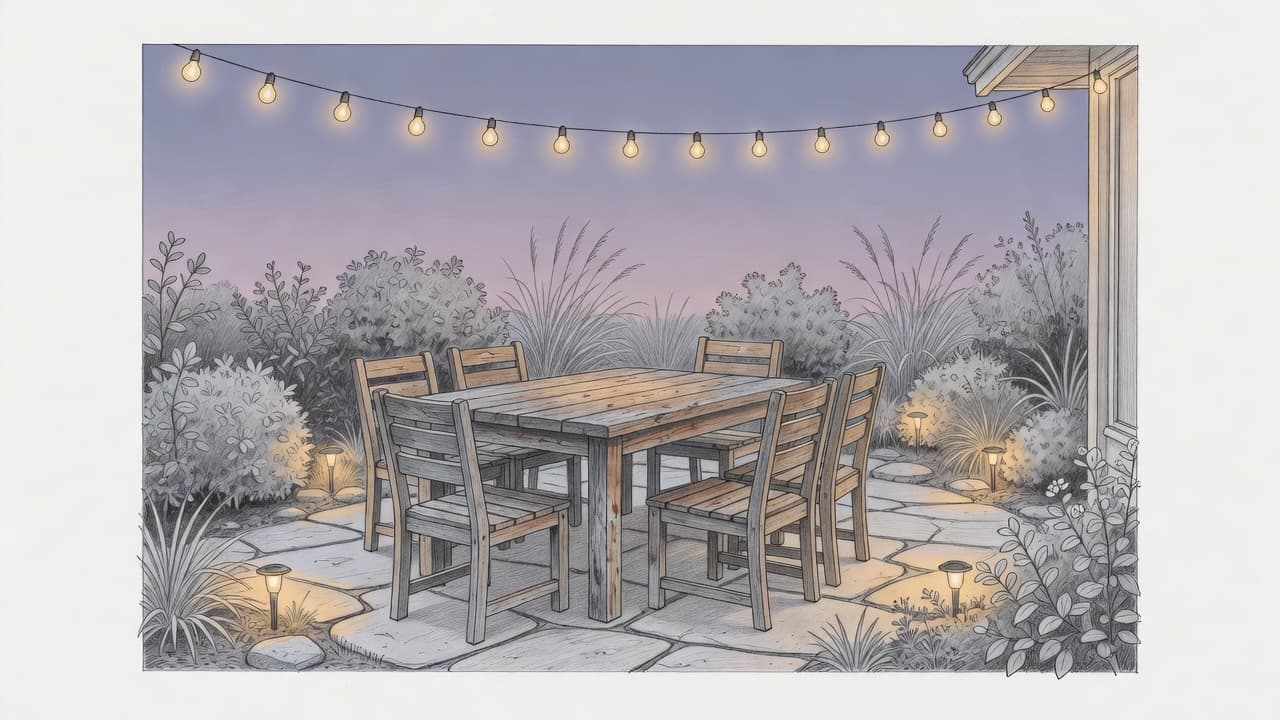
A permanent lighting system can turn a patio into a usable evening room. Soft roofline lighting, discreet downlights, or concealed fixtures near a pergola make it easier to serve food, play cards, or relax after work.
Keep the brightest light over the grill, outdoor kitchen, or dining table. Then use lower output around seating areas so faces are easy to see without harsh glare. With a dimmer, one setting can suit family dinner while another supports a larger gathering.
 ### 2. Highlight Architecture After Sunset
Your home’s details don’t disappear when daylight ends. Permanent outdoor lights can draw attention to stonework, gables, columns, roof peaks, and textured siding. Gentle uplighting also gives a flat front elevation more depth.
Choose a warm white setting for most evenings, especially on brick, wood, or natural stone. Avoid aiming fixtures directly at windows or neighboring homes. A few focused highlights look more polished than a bright outline around every edge.
3. Give Garden Features a Nighttime Presence
A mature tree, ornamental grass bed, fountain, or retaining wall can become a focal point after dark. Small landscape fixtures add contrast and help define the edges of the yard.
Place lights outside planting beds where possible, so routine pruning and mulch work stay simple. For trees, angle the beam up through branches rather than directly into the canopy. This creates texture and keeps the source less visible from the patio.
4. Define Activity Areas Around the Yard
Permanent lighting can make separate outdoor zones feel intentional. Light the pool deck, fire pit, cornhole area, dog run, or side gate based on how your household uses them.
Independent zones are especially useful here. Keep a fire-pit area softly lit while the path to the house stays brighter. You don’t need every fixture on at once, which makes the system more comfortable and less distracting.
The most inviting outdoor spaces use light to guide people, not to compete with the night sky.
Use Permanent Outdoor Lighting for Safety, Security, and Everyday Curb Appeal
Atmosphere matters, but practical lighting often earns its keep every night. A well-planned system helps people move safely, makes entrances easier to find, and reduces dark corners without making the home resemble a security floodlight installation.
Property layout, local weather, mature trees, and neighborhood expectations should guide every fixture choice. The right amount of light depends on where people walk and what needs attention.
5. Light Paths, Steps, and the Front Entry
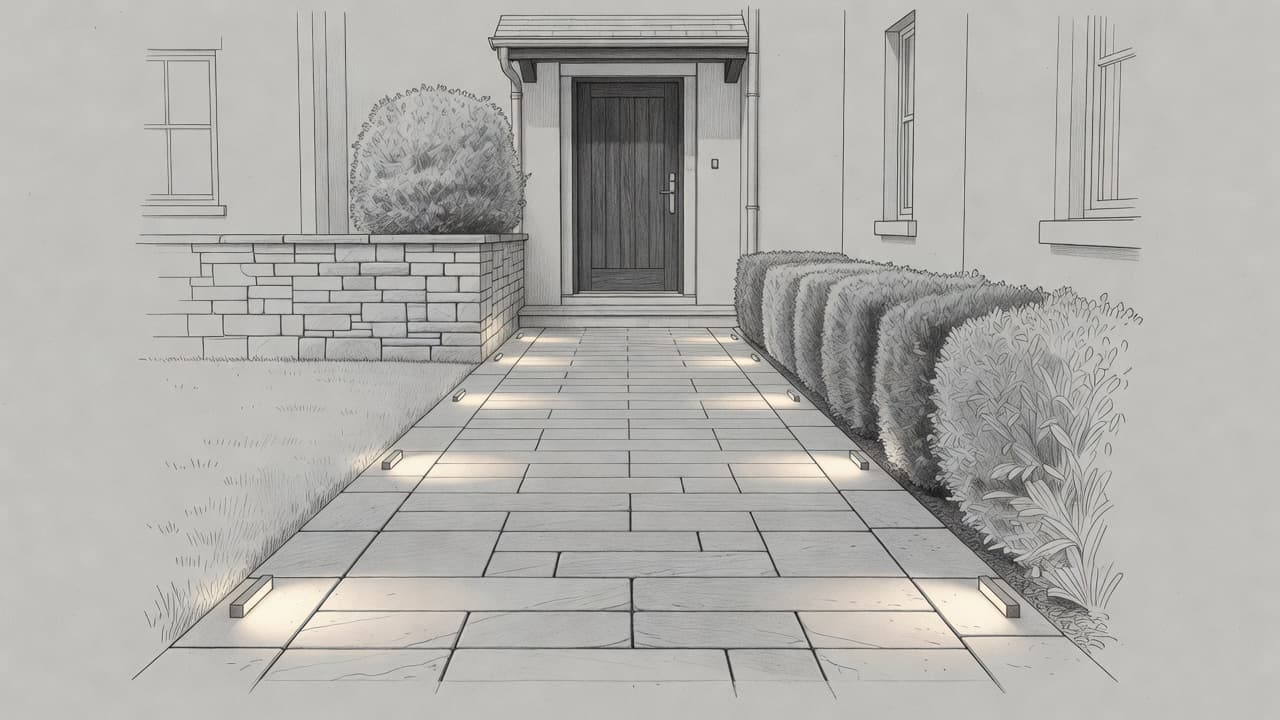
Walkways, uneven pavers, porch steps, and driveway edges deserve clear, low-glare light. Small path lights and step lights help guests see changes in elevation before they become a trip hazard.
Focus light downward and overlap the pools of illumination. A single bright fixture creates shadows, while several shielded fixtures create a clearer route. Entry lighting also makes it easier to find keys, receive deliveries, and welcome visitors.
 ### 6. Add Low-Glare Security Where It Counts
Security lighting works best when it removes hiding places without blasting light across the property. Aim controlled fixtures at side yards, gates, detached garages, and rear access points. Motion activation can work well in less-used areas.
Avoid placing a bright fixture where it shines toward a camera lens, bedroom window, or street. Shielded lighting and sensible aiming give you useful visibility while respecting your neighbors.
7. Set the Scene for Events Beyond December
Permanent lights make seasonal changes quick, whether you’re hosting a summer cookout, a birthday, Halloween visitors, or a game-day gathering. Smart controls can switch colors or scenes without ladders, clips, and tangled extension cords.
For daily curb appeal, return to a simple warm-white program. Reserve saturated colors and animated effects for short events, so the house still feels appropriate on a normal Tuesday night.
Plan a Permanent Lighting System That Works All Year
Start with a walk around the property after dark. Mark steps, doors, gates, seating areas, trees, and architectural details that need light. Then consider these practical details before choosing fixtures:
- Use low-voltage equipment sized for the full lighting plan, with transformer capacity for future additions.
- Look for outdoor-rated fixtures, weatherproof connections, and IP65 to IP67 protection where exposure demands it.
- Include GFCI protection and place controls where changing schedules or zones is easy.
- Check every sightline for glare, window reflections, and light spilling into neighboring yards.
- Ask how fixtures will be accessed for occasional cleaning, adjustment, or replacement.
A complete design and installation plan matters more than fixtures that simply look good in a catalog. RadGlow can help homeowners in its local service area match permanent outdoor lighting to the home’s architecture, landscape, climate, and daily routines.
Light the Home You Use Every Day
Permanent outdoor lighting can support entertaining, architectural accents, garden features, activity zones, safer paths, low-glare security, and year-round event settings. The strongest designs feel intentional and comfortable, with controls that make adjustment easy.
A few well-placed fixtures can change how your property feels after sunset without making it overly bright. Call RadGlow to discuss your home, your goals, and the lighting ideas that fit your space.